
Teaching – a Profession or a Vocation?
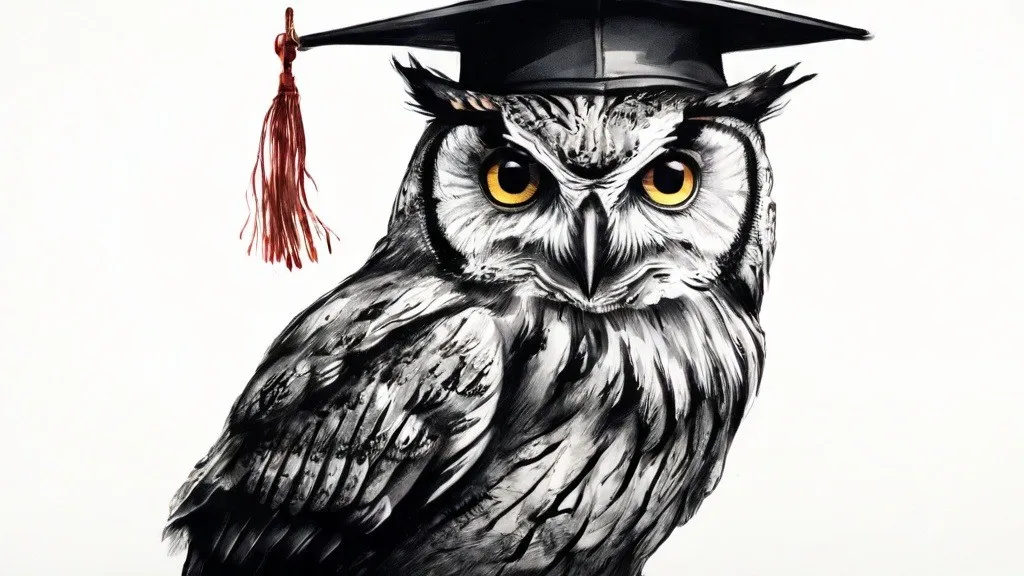
14th October marks International Teachers' Day, celebrating those who, by definition, are meant to teach, that is, to impart knowledge. However, in the era of modern technology and ubiquitous access to information, it's…
14th October marks International Teachers' Day, celebrating those who, by definition, are meant to teach, that is, to impart knowledge. However, in the era of modern technology and ubiquitous access to information, it's hard to shake the impression that this profession is losing its demand year by year and perhaps no longer enjoys the respect it might have boasted in the past. Let's examine, then, how we can perceive this profession in 2024 and whether it's still worth pursuing this career path.
The Human Element in Education – What AI Can't Replace
Firstly, a teacher is a human being, a creature possessing a nervous system, emotions, and ideally, a sense of empathy. None of these qualities can be replaced by Artificial Intelligence. Moreover, the combination of these factors contributes to a favourable environment in which pupils assimilate knowledge based on the natural relationships that people form with one another. Human-to-human contact allows for the development of non-verbal interpersonal communication, which constitutes a significant part of cognitive functions. It is from other people that we learn to interact with humans, practise the art of conversation, and build our own personality, which is shaped by various types of general social situations.
Teacher as an Authority and Guide
Secondly, a teacher should be an authority figure for their pupils, an example of someone worth emulating, following, and trusting. Pupils, especially younger ones, need tangible role models, people who, through their ambition and hard work, have reached a stage in life where they can inspire others with their passion. An educator should be able to show their charges various interesting aspects of life and the world, thereby encouraging them to explore this knowledge both theoretically and empirically. It is at school where young people learn, for example, how physics works and how this knowledge can be utilised, for instance, at scout camps.
Challenges in Modern Education
On the other hand, not all teachers pursue their profession out of vocation. Surely, each of us has encountered at some stage of our education a 'professor' who effectively discouraged us from learning or even going to school. And perhaps to this day, we ponder the time such a teacher wasted for us. And here comes the Internet with absolutely unlimited access to information about everything that interests us at any given moment. We choose what we read and watch, how much time we devote to it, and we decide what content is satisfactory for us. We adults, but not children, who, due to their limited cognitive competencies resulting from their age, are unaware of the dangers stemming from the lack of any restrictions on the web.
Conclusion
Summarising the conclusions presented in the above text, I personally believe that teaching is still a necessary profession, perhaps even more so than ever before. If only because of the nature in which we are constructed, which is based on being human, not a robot (because we record the most beautiful memories in our hearts, not on a hard drive).
What's your take on this? Do you think the role of teachers is becoming more or less significant in the era of artificial intelligence? Join the discussion in the comments below!
Wioletta Wójcicka-Sroka
ByWioletta Wójcicka-Sroka